Fertiliser Is Not Plant Food — Here's What It Actually Does
Plants produce their own energy through photosynthesis. Fertiliser supplies minerals they can't make themselves. Understanding the difference helps you fertilise smarter, not more.
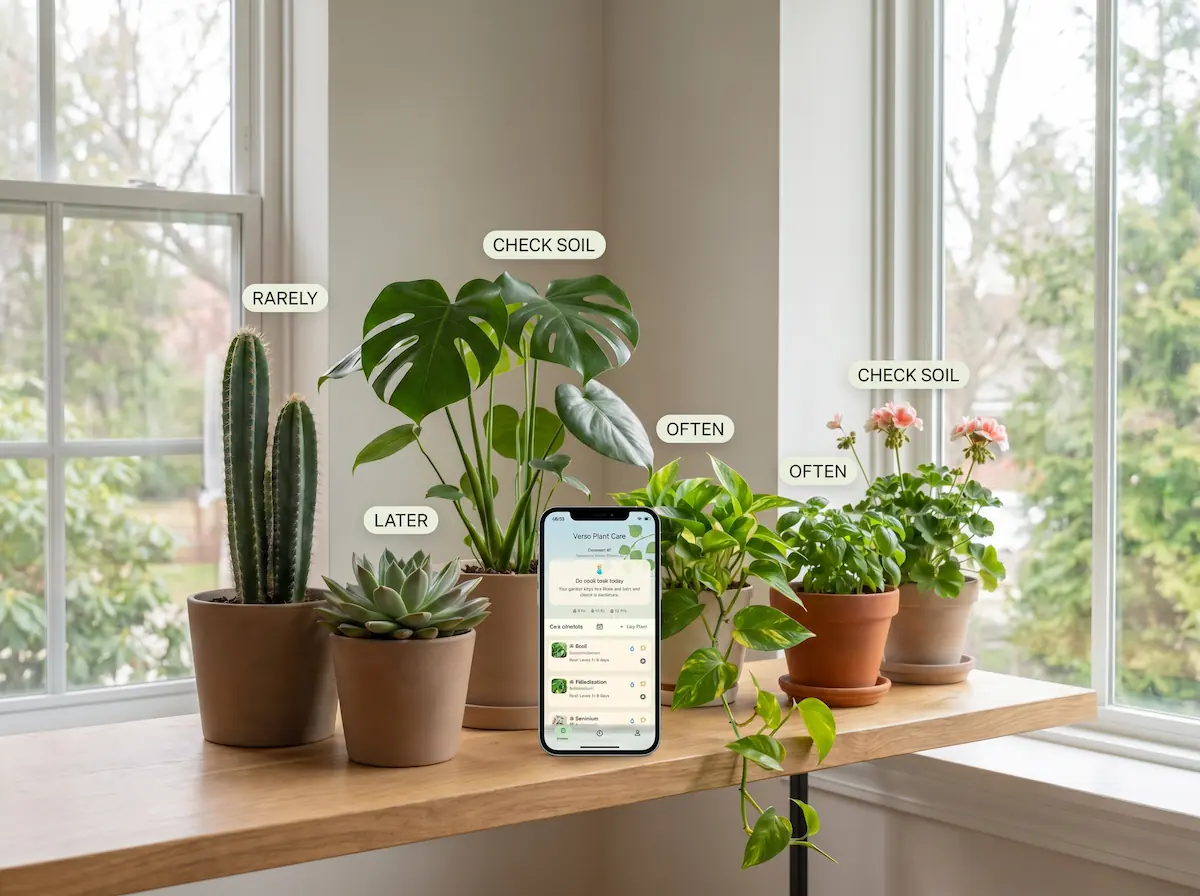
There's a common misconception that fertiliser is "food" for plants. In truth, plants make their own food through photosynthesis — they convert light, water, and carbon dioxide into energy and sugars. What fertiliser actually does is supply the minerals and nutrients that plants can't produce themselves.
What Plants Actually Need
The three main nutrients in any fertiliser are nitrogen (N), phosphorus (P), and potassium (K). You'll see these listed as numbers on fertiliser packages, like 10-10-10 or 5-10-10.
- Nitrogen drives leafy, green growth
- Phosphorus supports root development and flowering
- Potassium strengthens overall plant health and stress tolerance
Plants also need secondary nutrients (calcium, magnesium, sulphur) and trace elements (iron, manganese, zinc) in smaller amounts. Many houseplants can get these from good potting soil, but over time, regular watering leaches nutrients out of the soil, so occasional feeding helps.
More Is Not Better
Over-fertilising is a common mistake. Excess fertiliser accumulates as salts in the soil, causing root burn and leaf damage. Signs include brown leaf tips, white crusts on soil surface, and wilting despite moist soil. It's much easier to under-fertilise than to undo over-fertilising.
Smart Feeding Schedule
Most indoor plants need feeding only during active growth (spring and summer), roughly every 4-6 weeks. Reduce or skip feeding in autumn and winter when growth naturally slows. Always follow package directions — they're written for good reason. When in doubt, dilute to half strength and feed more often rather than going full strength.
The best approach is to start with quality potting soil, repot every year or two with fresh soil, and feed lightly during the growing season. Your plant will thank you with healthy, steady growth rather than erratic spurts and stress.
Originally sourced from
Missouri Botanical Garden open_in_new